
 Rating

Medically Reviewed By
Dr. Natasa Mandic-Kuljic, D.M.D.
November 18, 2025
When Is It Too Late for Gum Grafting
Gum grafting is one of the most effective ways to treat gum recession - but many patients aren’t sure how quickly they need to act or whether their situation has already progressed too far. Some people ignore recession for years because it doesn’t hurt, while others notice sensitivity only once the condition has worsened.
At Dentistry of Newburyport, we regularly meet patients who ask the same question: “Is it too late to fix my receding gums?”
In most cases, the answer is no. But there are situations where delayed treatment can make gum grafting more complicated - or no longer the best option.
Here’s what you should know.
What Gum Grafting Actually Does (and Why It Matters)
Gum grafting is a periodontal procedure that restores healthy gum tissue where it has receded. While many patients think of it as a cosmetic treatment, it’s actually an important part of protecting your oral health.
Healthy gum tissue serves several purposes:
- It covers and protects the roots of your teeth.
- It provides structural support to keep teeth stable.
- It shields the roots from sensitivity, cold, and heat.
- It helps prevent decay on exposed root surfaces.
- It maintains the visual balance and proportions of your smile.
When gums recede, these protective layers weaken - and gum grafting helps rebuild them.
Is It Ever “Too Late” for Gum Grafting?
In most cases, gum grafting can be performed even when the recession seems significant. The procedure is extremely versatile and can address mild, moderate, and even advanced gum loss.
However, it becomes “too late” when the underlying structures that support the tooth - especially the bone and surrounding tissues - are too compromised to allow the graft to attach and heal properly.
Most of the time, it’s NOT too late.
Even deep recession can often be corrected.
But it CAN be too late when:
- there is severe bone loss,
- the tooth is too loose,
- active gum disease is present,
- or the supporting tissues are too thin to hold a graft.
At Dentistry of Newburyport, we evaluate the degree of recession, bone support, gum thickness, and oral health before recommending gum grafting. This ensures the procedure is appropriate and that healing can occur predictably.
Signs You Should Not Wait Any Longer
Gum recession progresses slowly - which is why many people delay treatment.
But the following signs indicate that it’s time to take action sooner rather than later:
1. Increased sensitivity
If cold air, cold drinks, or hot foods trigger sharp pain, the root surface is likely exposed.
2. Teeth appearing longer
This is the most common visual sign of recession. When the gum line pulls back, the teeth look elongated.
3. Exposed root surfaces
If you can see a yellowish or darker area near the gum line, that’s exposed root — which is more vulnerable to decay.
4. Frequent gum inflammation
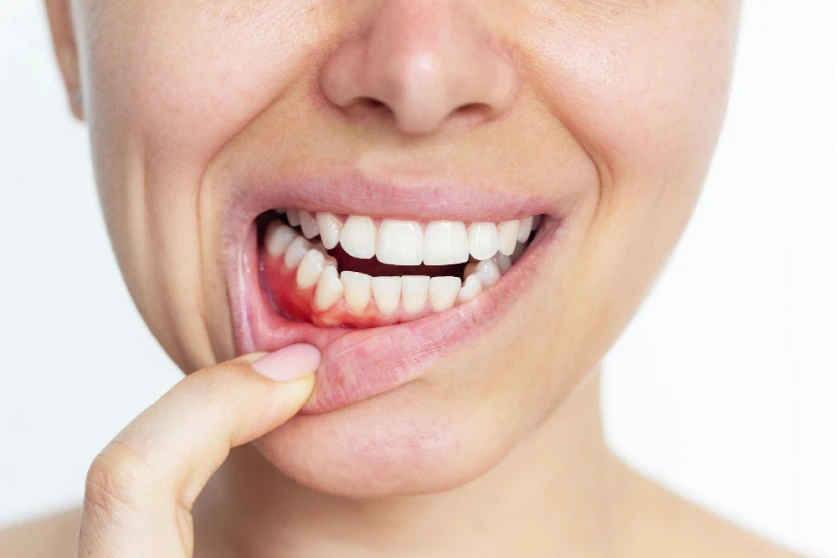
Swelling, redness, or bleeding around a receding area means the tissues are struggling.
5. Notching or wear near the gum line
This usually indicates toothbrush abrasion or clenching, which often worsens recession.
6. Sensitivity when brushing
If brushing feels uncomfortable, recession may be worsening and putting the root at risk.
These symptoms mean grafting could help - and waiting might lead to a more complex treatment later.
When Gum Grafting May NOT Be Possible
While gum grafting works for many patients, there are some situations in which it may not be the best or safest option. These conditions do not rule out treatment entirely — they simply require a different approach.
1. Significant Bone Loss
A gum graft needs stable underlying bone to attach successfully.
If too much bone has been lost due to periodontal disease, grafting may not hold long-term.
2. Active Periodontal Disease
If gum infection is present, the priority is to stabilize the disease first.
After treatment, many patients become candidates for grafting.
3. Teeth With Noticeable Mobility
Loose teeth often indicate advanced tissue breakdown.
Grafting over a mobile tooth won’t solve the deeper issue — stability must be restored first.
4. Insufficient Gum Thickness
Some patients have extremely thin gum tissue that requires a specialized grafting approach or combined treatment.
5. Systemic Conditions That Affect Healing
Uncontrolled diabetes, smoking, or immune conditions may reduce healing potential.
In these cases, alternative treatments might be recommended.
Even if grafting is not ideal, there are still effective methods to protect the tooth and improve comfort - which we’ll discuss below.
What Happens If You Wait Too Long?
Delaying gum grafting can lead to a number of problems that make treatment more challenging later on:
1. More recession
The longer the gums pull back, the more tissue needs to be replaced.
2. Increased tooth sensitivity
As more root surface becomes exposed, sensitivity tends to worsen.
3. Root decay
Unlike enamel, root surfaces are not well protected against bacteria.
4. Bone loss
Recession often leads to gradual bone loss, which directly limits grafting options.
5. Higher treatment costs
Deeper recession may require more extensive grafting or additional procedures.
6. Risk of tooth loss
Severe recession combined with bone loss may ultimately lead to extraction.
Even if gum grafting is possible later, treating recession earlier gives the best chance for long-lasting results.
Treatment Options When Gum Grafting Isn’t Ideal
If a graft isn’t recommended at this time, there are still ways to improve gum health and protect your tooth.
Scaling and Root Planing
This deep cleaning procedure removes bacteria below the gum line and helps reduce inflammation.
Pinhole Surgical Technique (when appropriate)
A minimally invasive option that can reposition the gums without traditional grafting.
Not all patients qualify, but it’s a good option for specific recession patterns.
Composite Bonding for Exposed Roots
A tooth-colored material can be placed over exposed roots to reduce sensitivity and protect the surface.
Extraction and Dental Implant
In cases of severe tissue breakdown, replacing a tooth with a dental implant may be the most predictable long-term solution.
This is generally only for advanced periodontal cases.
Why Earlier Treatment Is Almost Always Better
The earlier you address gum recession, the easier and more predictable the treatment process becomes. Early intervention offers several benefits:
- Smaller surgical area
- Faster healing
- Less discomfort
- Lower risk of complications
- Better long-term gum stability
- Lower overall cost
Even if recession seems mild, having it evaluated early allows your dentist to monitor changes over time and intervene at the right moment.
Your Gum Grafting Evaluation in Newburyport
At Dentistry of Newburyport, your gum recession evaluation is comfortable, thorough, and focused on giving you a clear understanding of your options. During your visit, we will:
- assess the depth and pattern of recession
- measure periodontal pocket depths
- check for bone support
- evaluate gum thickness
- review any sensitivity or discomfort
- discuss grafting and non-grafting options
Most evaluations take under 30 minutes and give you the information you need to make a confident decision about your gum health.
FAQ: Gum Grafting Timing Explained
1. Can gums grow back without grafting?
No. Gum tissue doesn’t regenerate on its own once it has receded. Grafting or specialized procedures are needed to restore coverage.
2. Is gum grafting painful?
The procedure is typically comfortable with local anesthesia. Mild soreness afterward is normal and easily managed with recommended care.
3. What age is too old for gum grafting?
There is no strict age limit. What matters most is gum and bone health — many older adults are excellent candidates.
4. Does gum recession always require surgery?
Not always. Mild cases may be managed with non-surgical treatment, depending on sensitivity, root exposure, and overall gum health.
5. How do I know if I waited too long?
A consultation is the best way to know. Severe bone loss, loose teeth, or active gum disease may limit grafting options - but alternatives exist.
Concerned About Gum Recession? We Can Help.
If you’re worried about receding gums or wondering whether gum grafting is still an option, we’re here to guide you.
Call Dentistry of Newburyport at (978) 465-8492 or request an appointment today.
Healthy gums protect your smile - and taking action early makes all the difference.