
 Rating

Medically Reviewed By
Dr. Natasa Mandic-Kuljic, D.M.D.
December 11, 2023
Gum Recession on One Tooth: Causes, Symptoms, and Treatments
At Dentistry of Newburyport, we're dedicated to addressing all your dental concerns, including the nuanced issue of gum recession affecting just one tooth. This condition, while common, can often go unnoticed until it becomes a significant problem. Our aim with this article is to shed light on this specific dental issue, providing our patients and readers with essential information and guidance.
Understanding Gum Recession
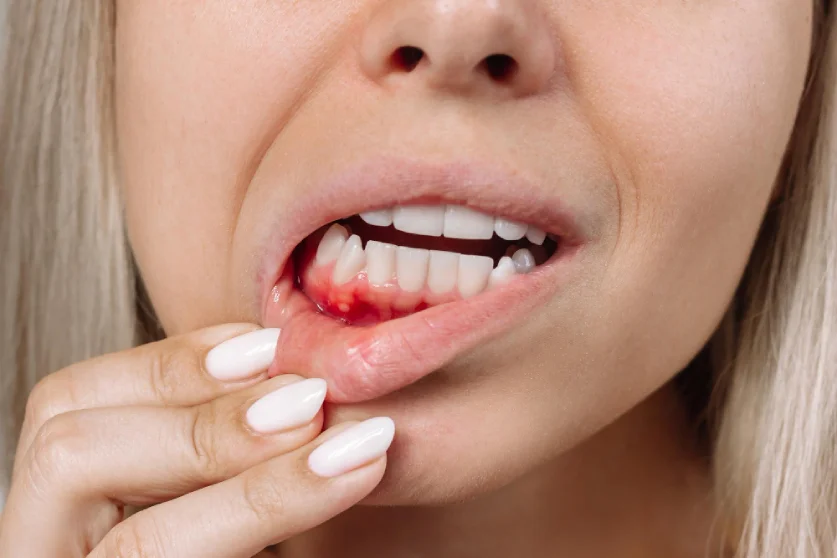
Gum recession refers to the process where the margin of the gum tissue surrounding the teeth wears away or pulls back, exposing more of the tooth or its root. It's a gradual process and often goes unnoticed until sensitivity or other problems arise.
General causes of gum recession include aggressive brushing, periodontal diseases, genetic predisposition, and inadequate dental care. However, when gum recession affects only one tooth, it requires a closer examination to understand the unique causes and appropriate interventions.
Causes of Gum Recession on One Tooth
Understanding the specific causes of gum recession on a single tooth is essential for effective treatment and prevention. At Dentistry of Newburyport, we identify several key factors that can contribute to this condition:
- Aggressive Brushing Technique: Brushing too hard or using a hard-bristled toothbrush can contribute to gum recession, especially around a particular tooth.
- Periodontal Disease: Gum diseases, such as gingivitis or periodontitis, can lead to gum recession. These conditions might affect one tooth more significantly due to localized factors.
- Trauma to the Tooth: Injury or trauma to a specific tooth, including impact or grinding, can cause the gums to recede around that particular tooth.
- Incorrect Bite or Tooth Positioning: An uneven bite or misaligned teeth can put extra pressure on individual teeth, leading to gum recession in those specific areas.
- Genetic Predisposition: Some individuals may be genetically more susceptible to gum recession, even affecting single teeth in some cases.
Symptoms and Signs
Recognizing the early signs is crucial for timely intervention. Here are some common symptoms to look out for:
- Increased Sensitivity: One of the first signs you might notice is a heightened sensitivity to hot or cold temperatures, particularly around one tooth.
- Visible Tooth Root: As the gums recede, part of the tooth's root might become exposed, making the tooth appear longer than normal.
- Change in Tooth Appearance: Besides the tooth looking longer, you may also observe a color difference between the tooth crown and the exposed root.
- Notch at the Gum Line: You might feel a small notch or dip at the gum line near the affected tooth, which is a clear indicator of gum recession.
- Bleeding Gums: While brushing or flossing, if you notice bleeding specifically around one tooth, it could be a sign of gum recession.
Diagnosis and Professional Care
In our dental practice, we use advanced diagnostic tools to assess and diagnose gum recession. This includes a thorough dental examination, measuring the depth of gum pockets, and possibly dental x-rays to determine the extent of recession.
Understanding the specific condition of your gum recession, especially when it's confined to one tooth, is critical for effective treatment planning. We pride ourselves on providing personalized care that addresses the unique dental needs of each patient.
Treatment Options for Gum Recession on One Tooth
At Dentistry of Newburyport, we offer a range of treatment options tailored to address gum recession on a single tooth. Depending on the severity and underlying cause, these treatments may include:
- Improved Oral Hygiene Practices: For mild cases, we often recommend changes in oral hygiene habits. This includes using a soft-bristled toothbrush and non-abrasive toothpaste, along with gentle brushing techniques.
- Scaling and Root Planing: This deep cleaning procedure involves removing plaque and tartar buildup beneath the gum line, which is crucial in treating gum recession.
- Gum Graft Surgery: In more severe cases, a gum graft may be necessary. This involves taking tissue from another part of the mouth and attaching it to the receding area to cover the exposed root and promote healing.
- Orthodontic Treatment: If misalignment is the cause of gum recession on one tooth, orthodontic treatments like braces or aligners may be recommended to correct the positioning of the teeth.
Prevention Tips
Preventing gum recession involves maintaining good oral hygiene practices, like brushing twice a day with a soft-bristled toothbrush and using fluoride toothpaste.
Regular dental check-ups are essential, as they allow for early detection and treatment of any dental issues.
Additionally, a balanced diet, avoiding tobacco products, and managing conditions like diabetes contribute to overall oral health and prevent gum recession.
We emphasize these preventive measures to our patients, highlighting their importance in maintaining a healthy mouth.
Final Thoughts
Addressing gum recession, particularly when it involves only one tooth, is crucial for maintaining oral health and avoiding future complications.
Our team at Dentistry of Newburyport is dedicated to providing comprehensive care, from diagnosis to treatment and prevention.
If you're experiencing any symptoms or have concerns about gum recession, we encourage you to contact us for a consultation.