
 Rating

Medically Reviewed By
Dr. Natasa Mandic-Kuljic, D.M.D.
March 13, 2024
Can you get dental implants with bone loss
Dental implants have revolutionized the way we approach missing teeth, offering a durable, natural-looking replacement option. However, one question often arises among patients considering this solution: "Can you get dental implants with bone loss?" At Dentistry of Newburyport, we specialize in overcoming this challenge, ensuring that bone loss does not hinder your path to a restored smile.
Understanding Dental Implants and Bone Loss
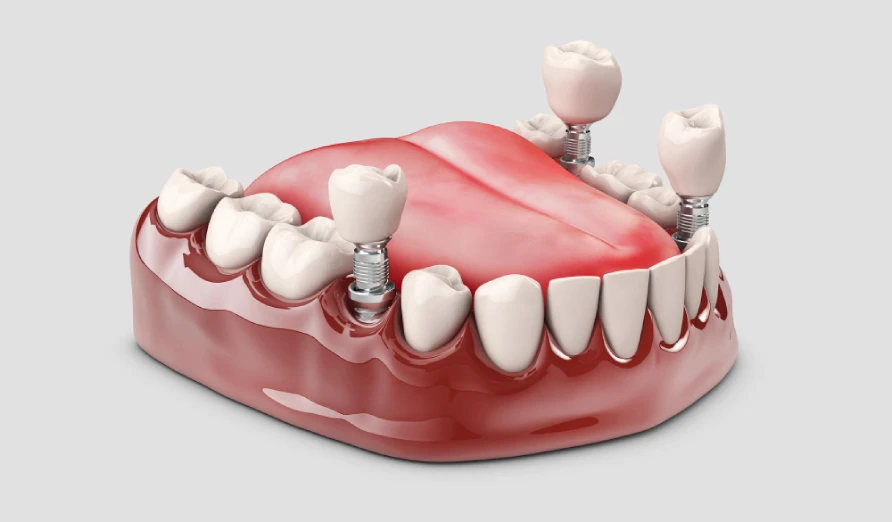
Dental implants require a strong foundation in the jawbone to secure their position, mirroring the function of natural tooth roots. Unfortunately, conditions like periodontal disease, tooth loss, and trauma can lead to bone degradation, potentially complicating the implant process. Understanding the interplay between dental implants and bone health is crucial for effective treatment planning.
Assessing Bone Loss: The First Step
The journey toward dental implants begins with a thorough assessment of your bone health. At Dentistry of Newburyport, we utilize advanced imaging techniques to evaluate the density and volume of your jawbone. This initial step is essential for determining the extent of bone loss and customizing your treatment plan.
Solutions for Bone Loss
Advances in dental technology and techniques have made it possible to address bone loss head-on, paving the way for successful implantation. Solutions include:
- Bone Grafting: This procedure involves augmenting the jawbone with grafting material to provide a solid foundation for implants.
- Sinus Lifts: Particularly relevant for upper jaw implants, sinus lifts increase bone quantity by elevating the sinus floor and adding bone graft material.
- Specialized Implants: Certain types of implants are designed to accommodate areas with lower bone density, offering alternative solutions where traditional implants might not be viable.
Each of these options is tailored to the individual's needs, ensuring the best possible outcome for implant success.
Why is Bone Important in Dental Implants?
A successful dental implant relies heavily on the quality and quantity of jawbone into which it is placed. The bone serves as a sturdy foundation for the implant, ensuring it remains secure and functional over time, much like the roots of a natural tooth. Here’s why bone health is crucial for dental implant success:
- Stability and Support: The jawbone integrates with the dental implant through a process known as osseointegration. This fusion between bone and implant provides the stability needed for everyday functions like eating and speaking.
- Longevity: Adequate bone density and volume contribute to the long-term success and durability of dental implants. Without a strong bone foundation, implants are at risk of failure.
- Facial Structure Preservation: The presence of dental implants stimulates the surrounding bone, helping to maintain its structure and prevent the bone loss that often occurs with missing teeth. This not only supports the implants but also preserves the natural shape of the face.
Understanding the pivotal role of bone in the context of dental implants underscores the importance of addressing any bone loss before implant placement. At Dentistry of Newburyport, we assess each patient's bone health to determine the most appropriate course of action, whether it involves bone grafting procedures or the use of specialized implant techniques designed for reduced bone density.
Your Path to Restored Smiles with Dentistry of Newburyport
Choosing the right dental practice for your implant needs, especially amidst concerns like bone loss, is crucial. At Dentistry of Newburyport, we combine the latest dental technology with a deep commitment to personalized care, understanding the unique challenges each patient faces. Our expertise in managing dental implants with bone loss has helped countless patients not only regain their smiles but also their confidence and quality of life.
If you're considering dental implants but are concerned about bone loss, Dentistry of Newburyport is here to illuminate your path forward. Schedule a consultation with us today to explore how we can help you achieve a healthy, fully restored smile. Together, we can overcome the barriers to your oral health goals, guiding you every step of the way.
FAQ: Dental Implants and Bone Loss
Can You Get Dental Implants with Bone Loss?
Yes, even with significant bone loss, there are advanced techniques such as bone grafting and the use of specialized implants that can make it possible to receive dental implants successfully.
What Are the Best Solutions for Bone Loss Before Getting Implants?
Bone grafting is the most common solution, where new bone material is added to the deficient area to strengthen it. Sinus lifts are also used for implants in the upper jaw, and options like mini implants may be suitable for certain cases.
How Long After Bone Grafting Can Dental Implants Be Placed?
The healing time can vary depending on the extent of the bone graft and the individual's health, typically ranging from 3 to 6 months before dental implants can be securely placed.
Are Dental Implants as Strong on Grafted Bone?
Yes, once fully healed, grafted bone can provide a stable and strong foundation for dental implants, similar to natural bone.
Is Everyone Eligible for Bone Grafting Procedures?
Eligibility depends on various factors, including overall health, the extent of bone loss, and specific oral health conditions. A thorough evaluation at Dentistry of Newburyport can determine the best approach for each patient.
What can I do to prevent bone loss after tooth extraction?
Preserving bone after tooth extraction can be achieved through immediate grafting procedures at the time of extraction and considering timely placement of dental implants to maintain bone stimulation.