
 Rating

Medically Reviewed By
Dr. Natasa Mandic-Kuljic, D.M.D.
February 16, 2024
Does a Cracked Tooth Need to Be Pulled? Understanding Your Options
Cracked teeth present a common yet complex challenge in dental care, sparking concerns about pain, infection, and the risk of further damage. At Dentistry of Newburyport, we understand the anxiety surrounding the fate of a cracked tooth, especially the worry that it might need to be pulled. To further ease your concerns, learn about the risks and timelines in our related post, "How Long Can a Broken Tooth Go Untreated?" Our commitment is to explore all possible avenues to preserve your natural teeth.
Identifying Cracked Teeth: Causes and Warning Signs
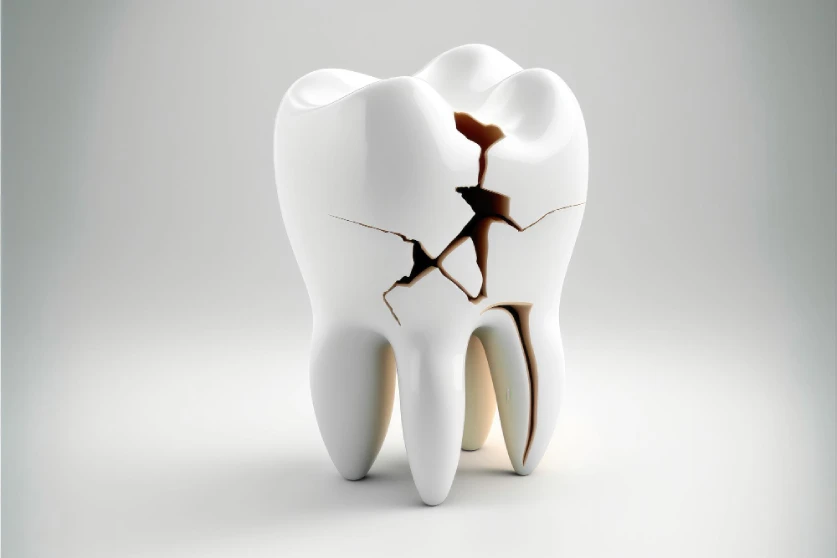
Cracked teeth can arise from a variety of causes, ranging from chewing on hard objects to experiencing a direct impact from an accident. Key symptoms include sudden pain when biting, increased sensitivity to temperature changes, and visible signs of damage. Understanding these fundamental causes and symptoms is crucial for early detection and effective treatment.
Causes of Cracked Teeth:
- Chewing on Hard Objects: Regularly biting down on hard foods or objects, such as ice, hard candies, or nuts, can cause teeth to crack.
- Accidents and Trauma: Falls, sports injuries, or any blunt force to the mouth can lead to a cracked tooth.
- Age-Related Wear: Over time, teeth can wear down and become more susceptible to cracking, especially among individuals over 50.
- Sudden Temperature Changes: Exposing teeth to extreme temperature changes, such as eating something very hot and then drinking something cold, can cause thermal stress and lead to cracks.
- Large Fillings or Previous Dental Procedures: Teeth that have undergone significant dental work may be weaker and more prone to cracking.


Symptoms of Cracked Teeth:
- Pain When Chewing: A cracked tooth may cause sharp pain during biting or chewing, especially when releasing the bite.
- Sensitivity to Temperature: A tooth that is cracked may be particularly sensitive to hot or cold foods and beverages.
- Discomfort with Sweet Foods: Sensitivity or pain when consuming sweet foods can also be a sign of a cracked tooth.
- Random Toothache: Cracked teeth might cause sporadic pain or discomfort without an obvious cause or pattern.
- Visible Lines or Discoloration: In some cases, the crack may be visible, or the tooth may show signs of discoloration.
Types of Dental Cracks and Their Implications
Cracked teeth exhibit a range of types, each with specific characteristics and implications for treatment. Understanding these variations is essential for both dentists and patients to determine the most effective treatment plan. Below is an overview of the common types of dental cracks:
- Craze Lines: Superficial cracks that affect only the enamel. These are often cosmetic and usually don't require treatment.
- Fractured Cusp: A break that typically occurs around a dental filling. It may not affect the pulp of the tooth and often can be treated with a new filling or crown.
- Cracks into the Gumline: This type of crack extends from the chewing surface down towards the root. Early diagnosis is crucial to save the tooth, often requiring a crown and possibly root canal therapy.
- Split Tooth: A severe form of a cracked tooth, where the crack has progressed so that the tooth is divided into two distinct segments. A split tooth may require extraction or partial preservation depending on the extent and location of the split.
- Vertical Root Fracture: Cracks that begin in the root and extend towards the chewing surface. These are often discovered when surrounding tissue becomes infected. Treatment may involve endodontic therapy or extraction, depending on the severity.
Treatment Options Beyond Extraction
Bonding: Minor cracks can often be repaired with dental bonding, where a tooth-colored resin is applied to mask the crack and restore the tooth's appearance.
Crowns: For more significant cracks, a crown can provide a durable cover, protecting the tooth from further damage while restoring its function and appearance.
Root Canal Therapy: If the crack has reached the tooth's pulp, root canal therapy may be necessary to remove infected tissue and save the tooth, preventing the need for extraction.
At Dentistry of Newburyport, we utilize the latest in diagnostic technology to determine the best course of action, striving to repair and save your cracked tooth whenever possible.
When Extraction Is Necessary
There are instances when a tooth is so extensively damaged that saving it is not viable, and extraction becomes the most responsible choice to prevent further oral health issues.
Our team approaches such cases with the utmost care, ensuring that the extraction process is as comfortable and pain-free as possible. We also offer several tooth replacement options, including dental implants and bridges, to restore your smile's function and aesthetics.
Preventing Future Cracks
Preventing tooth cracks involves a combination of protective measures and lifestyle adjustments:
- Avoid chewing on hard objects like ice or pens.
- Wear a mouthguard during sports.
- Practice good oral hygiene and visit Dentistry of Newburyport regularly for check-ups, allowing early detection of conditions that may predispose to cracking.
Your Smile, Our Priority
At Dentistry of Newburyport, we believe in preserving your natural smile whenever possible. Not all cracked teeth need to be pulled. With our expertise and state-of-the-art treatments, we can often save even severely cracked teeth. Don't let the fear of extraction keep you from seeking the care you need.
If you're concerned about a cracked tooth, don't wait for the problem to worsen. Schedule an appointment with us at Dentistry of Newburyport. Our skilled team is ready to provide personalized care and explore all options to protect and restore your smile.